Skerry Hall Farm
Bed and Breakfast Accommodation
and Pedigree Dexter Beef on the North Yorkshire Coast


 ←
→
←
→
Welcome
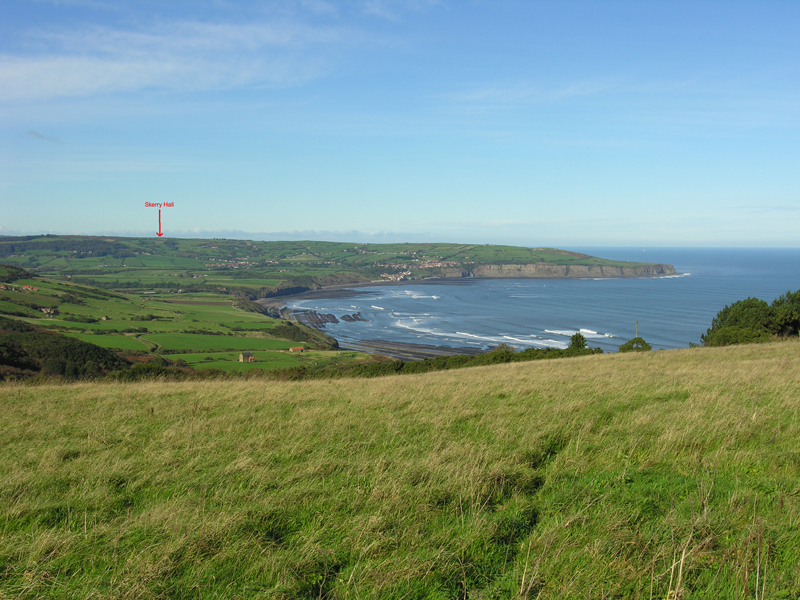
Skerry Hall Farm is a traditional small farm dating from the seventeenth century which offers bed and breakfast accommodation on the coastal edge of the North York Moors. The farm nestles into the hillside below heather-clad moorland with panoramic views over Robin Hood's Bay and is the perfect bolt hole for those seeking first class accommodation in a house full of character.
You can choose one of three beautiful rooms, each with an en-suite shower room. Room 3 has the most spectacular view and is the most spacious, but all three rooms have their own charms and features to enjoy. Breakfast is served in our guests' breakfast/sitting room, with its stone flagged floor and underfloor heating, which has a commanding view over the Bay.
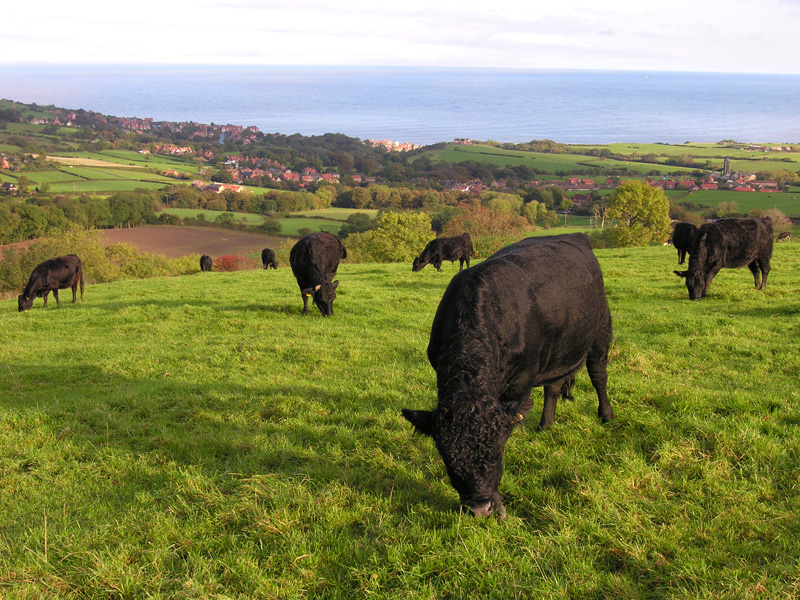
The farm lies half a mile off the public road and is run by Alan and Jan Adams and has been home to the Skerry Herd of pedigree Dexter cattle since 2004. Recently we have reduced the herd but are still able to offer some beef for sale direct to the public. We also keep a small number of sheep and poultry. Guests are welcome to meet our animals and enjoy walking our pastureland during their stay.
Skerry Hall B&B
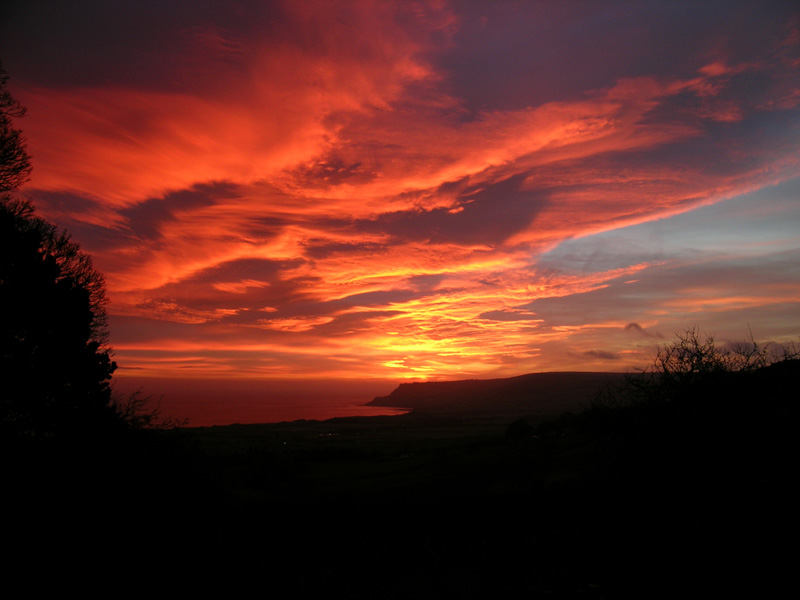
Relax in the peaceful beauty of the North York Moors, with views over the dramatic Yorkshire coastline near Robin Hood's Bay.
Skerry Hall Beef
Enjoy our superb, well-marbled beef, raised on our farm and ethically slaughtered and butchered locally for best results!
Read our Reviews
Click to view:

Gallery


Last Chance to Stay at Skerry Hall Farm
04/10/2023
We still have some availability during October 2023, but this is you last chance to book a stay with us as we have decided to retire and close our B&B business at the end of the month. Please phone or email for details of vacancies. …
